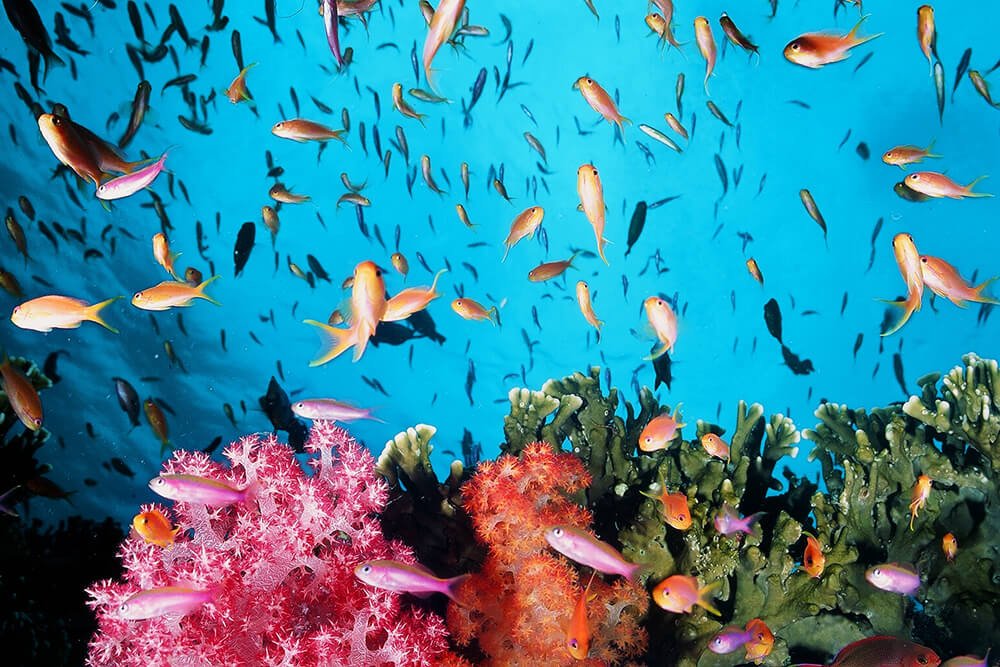
A Life Beneath the Waves
From the fiords of New Zealand to remote islands across the Pacific, Pat and Barbara Traynor have spent decades exploring the underwater world – discovering extraordinary marine life, historic shipwrecks and unforgettable experiences along the way.
It all began with a trip to Fiji. After snorkelling the reef for the first time, Pat and Barbara found themselves drawn to the world beneath the surface. Pat in his 40s and Barbara in her 30s, they decided to learn to scuba dive – a decision that would open the door to a lifetime of adventure.
They gained their diving qualifications in 1988, going on to complete Advanced and Rescue Diver courses. Pat took his passion a step further, completing a Divemaster course so he could supervise diving trips.

Discovering New Zealand’s underwater treasures
Before venturing overseas, Pat and Barbara explored the incredible diving opportunities on their own doorstep. They returned numerous times to Doubtful Sound and other Fiordland fiords, as well as Stewart Island, where they developed the skills and confidence needed to navigate New Zealand’s diverse underwater environments.
There was plenty to learn. They discovered how to manage strong currents, move carefully through kelp forests, catch crayfish and find scallops. They even helped clean out salmon nets – all while keeping a watchful eye out for sharks.
Their adventures also took them north to the Poor Knights Islands, a renowned marine reserve off the coast of Northland.
Having explored so much of New Zealand’s underwater world, it was only natural that their curiosity would eventually take them further afield.

Adventures across the Pacific
Fiji called them back, this time on several diving trips with a group of friends. Rather than staying on land, the group travelled aboard specialised diving vessels known as liveaboards, allowing them to spend their days exploring different dive sites.
One return journey to Suva proved particularly memorable for a different reason. A coup was taking place at the time, and their boat was searched for weapons. With dive knives forming part of their standard equipment, the situation was understandably unsettling.
In Vanuatu, they explored beautiful reefs and watched cuttlefish change colour. They also dived the wreck of the President Coolidge and visited Million Dollar Point, where the United States military dumped vehicles and equipment into the sea after the Second World War.
The Solomon Islands offered reef and wall dives, historic wartime wrecks and impressive schools of large fish. In Australia, their adventures included Kangaroo Island, Heron Island and the spectacular Great Barrier Reef and Coral Sea around Cairns.
Further afield, the Galápagos Islands provided a completely different experience, with opportunities for macro diving, encounters with sharks and seals, and land excursions to see the islands’ distinctive wildlife.
At Cocos Island, the diving was all about big fish. Pat and Barbara encountered schools of hammerhead sharks, blacktip and whitetip sharks, and several kinds of rays, including the magnificent giant manta ray. It was an extraordinary place to witness marine life on such a scale.
Their travels also took them to Yap, known for its manta rays; Papua New Guinea, for its reef and shark dives; and the Maldives, where they explored colourful reefs.

Diving into history at Truk Lagoon
For Pat, one destination held a particular fascination: Truk Lagoon, now known as Chuuk Lagoon, in Micronesia.
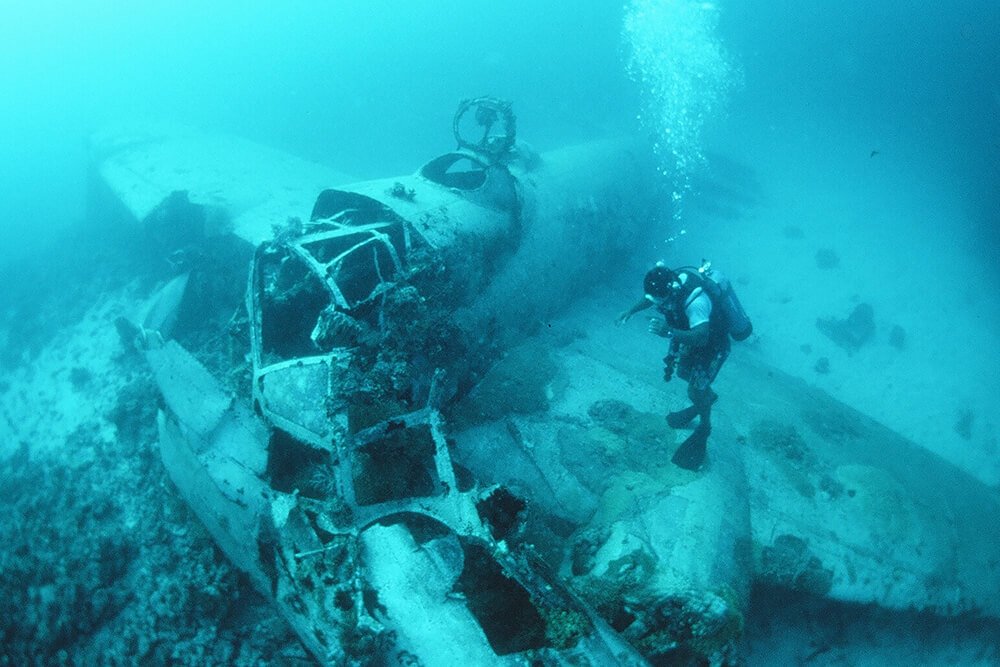
With a keen interest in the history of the Japanese military during the Second World War, Pat found the opportunity to explore the lagoon’s underwater wrecks especially compelling. The site was once a major Japanese naval base supplying troops throughout the Pacific.
The lagoon is home to an extraordinary collection of wartime wrecks, and Pat and Barbara made the most of the opportunity, diving 16 ships, one submarine and a Betty Bomber aircraft.
When adventure takes an unexpected turn
Not every trip went exactly to plan. During a visit to Niue, Pat and Barbara enjoyed reef and wall dives, including encounters with sea snakes. But after a cyclone, they found themselves being evacuated by an Air Force Hercules aircraft.
Across all their travels, Pat and Barbara estimate they completed as many as 1,500 dives each. That is an astonishing number of hours spent exploring a world many people rarely get to see.

A magical night on Heron Island
While diving at Heron Island, Barbara spent time with the island’s rangers at night, watching turtles come ashore to lay their eggs and helping to document the turtles as part of the rangers’ work.
It became her favourite experience of all – a chance to witness one of nature’s remarkable events up close, away from the excitement and intensity of their underwater adventures.
The experience was especially welcome after a difficult incident on the way back from a dive, when their Divemaster had to deal with a drowning.

A lifetime of curiosity and discovery
From Fiordland to the wartime wrecks of Truk Lagoon, Pat and Barbara’s diving adventures have taken them across oceans and into some of the world’s most fascinating underwater environments.
Their story is one of curiosity, courage and a willingness to try something new – even in their 40s. What started with a snorkelling trip to Fiji grew into decades of exploration, friendships, wildlife encounters and amazing experiences.